How can businesses deliver a consistent message when customers interact with brands both online and offline every day? In today’s competitive market, relying on only one marketing channel is no longer enough. People may discover a brand through social media, see it again on a billboard, and finally make a purchase in a physical store or on a website.
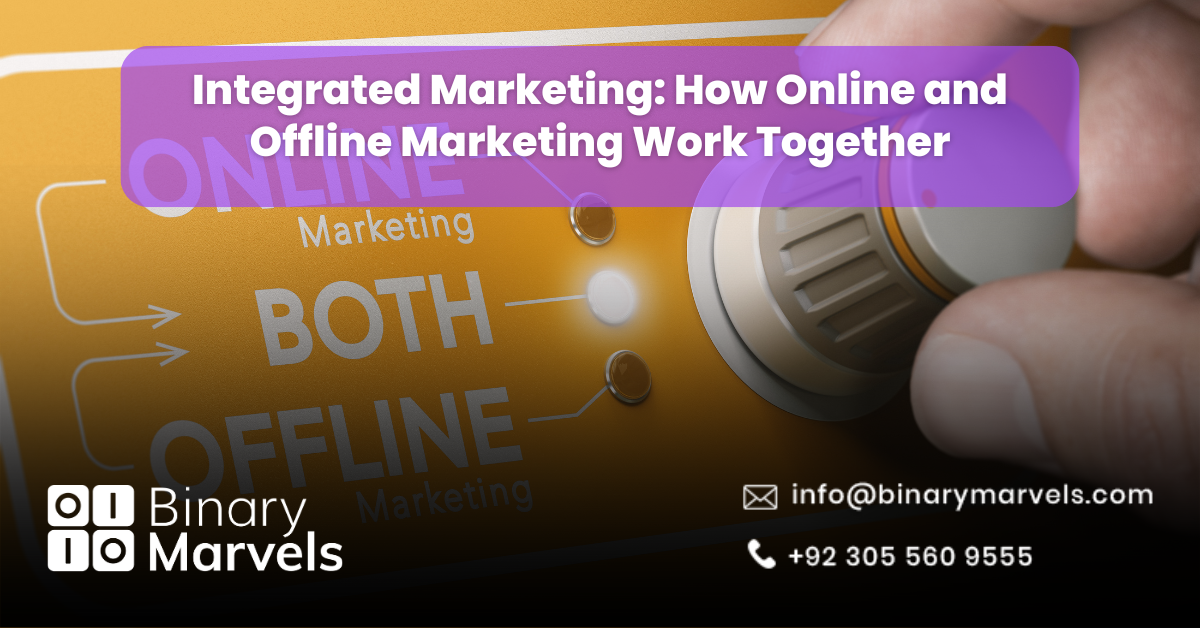
This is where integrated marketing becomes essential. By combining online and offline marketing efforts into a single, unified strategy, businesses can create a seamless customer experience across every touchpoint. When digital campaigns and traditional marketing work together, they reinforce each other, build stronger brand trust, and help businesses connect with their audience more effectively.
What Is Integrated Marketing?
Integrated marketing is a strategic approach that ensures all marketing efforts work together to deliver a consistent brand message. Instead of running digital and traditional campaigns separately, integrated marketing aligns them under one clear goal and unified communication style.
This approach focuses on the customer journey rather than individual channels. Whether a customer sees an ad online, receives a printed brochure, or interacts with a brand in person, the message, tone, and value proposition remain consistent. By connecting these touchpoints, businesses can improve brand recognition, strengthen credibility, and guide customers smoothly from awareness to conversion.
Also Read: Content Marketing vs Paid Ads: Which Works Better?
Why Integrated Marketing Matters for Modern Businesses?
Integrated marketing matters because today’s customers move seamlessly between online and offline environments. They research products online, compare options on social media, and often make final decisions through in person interactions or traditional media. When marketing messages are disconnected, it creates confusion and weakens brand trust.
By using an integrated approach, businesses ensure that every channel supports the same objectives. This leads to stronger brand consistency, better customer engagement, and higher return on marketing investment. Companies that align their digital and offline strategies are more likely to build long term relationships, increase conversions, and stand out in competitive markets.
Understanding Online Marketing Channels
Online marketing channels allow businesses to reach and engage audiences in a measurable and highly targeted way. These channels include websites, search engine optimization, social media platforms, email marketing, content marketing, and paid advertising. Each channel plays a unique role in attracting, nurturing, and converting potential customers.
When used as part of an integrated strategy, online channels support offline efforts by driving awareness and engagement before and after real world interactions. Businesses often rely on professional digital marketing services to manage these channels effectively, ensuring that messaging, visuals, and goals remain aligned with offline campaigns for maximum impact.
Understanding Offline Marketing Channels
Offline marketing channels focus on reaching audiences through traditional, real world interactions. These include print advertising, billboards, television, radio, direct mail, events, trade shows, and in store promotions. Even in a digital first world, these channels remain powerful for building brand awareness and trust.
Offline marketing helps create personal connections that digital channels sometimes cannot achieve alone. When aligned with online efforts, offline campaigns can encourage customers to search for a brand online, visit a website, or engage on social media. This connection ensures that offline exposure continues the customer journey rather than ending it.
How Online and Offline Marketing Work Together?
Online and offline marketing are most effective when they support each other instead of operating separately. Offline campaigns often spark initial awareness, while online channels continue the conversation and guide customers toward action. For example, a billboard or print ad can prompt users to search for a brand online, where they find detailed information, reviews, and offers.
Similarly, digital marketing can drive traffic to physical locations through event promotions, location based ads, or email reminders. When both channels share the same messaging, visuals, and goals, customers experience a smooth and connected journey. This collaboration helps businesses reinforce their brand presence and improve overall campaign performance.
Also Read: Traditional Advertising vs Digital Ads: Which Delivers Better ROI?
Examples of Integrated Marketing in Action
Integrated marketing becomes easier to understand when seen in real world use cases. A common example is using QR codes on flyers or product packaging that lead customers to a landing page, social media profile, or special online offer. This connects physical marketing materials directly with digital engagement.
Another example is promoting offline events through email campaigns and social media ads, then following up with attendees using online surveys or remarketing ads. Retail stores often combine in store promotions with digital loyalty programs, encouraging customers to stay connected online even after leaving the store. These examples show how online and offline marketing can work together to extend reach and improve customer engagement.
Benefits of an Integrated Marketing Strategy
An integrated marketing strategy helps businesses deliver a clear and consistent message across all channels. When customers see the same branding and value proposition online and offline, it builds trust and makes the brand more memorable.
Some key benefits include improved customer engagement, better use of marketing budgets, and higher conversion rates. Integrated campaigns also provide a clearer understanding of customer behavior, as businesses can track how offline interactions influence online actions. This unified approach allows companies to make smarter decisions and achieve stronger long term results.
Challenges in Integrating Online and Offline Marketing
While integrated marketing offers many benefits, it also comes with challenges that businesses must manage carefully. One common issue is maintaining message consistency across different teams and platforms. When online and offline campaigns are handled separately, misalignment in tone, visuals, or timing can weaken the overall impact.
Another challenge is tracking performance. Offline marketing results are often harder to measure compared to digital campaigns. Businesses may also struggle with budget allocation and coordination between tools, data sources, and teams. Overcoming these challenges requires clear planning, shared goals, and the right processes to keep all marketing efforts aligned.
Best Practices for a Successful Integrated Marketing Strategy
A successful integrated marketing strategy starts with a clear and unified brand message. All teams should work from the same guidelines for tone, visuals, and goals to ensure consistency across every channel. Planning campaigns together instead of separately helps avoid gaps between online and offline efforts.
Using centralized data and analytics tools is also important. These tools help track customer behavior across touchpoints and reveal how offline actions influence online results. Regular communication between teams, ongoing performance reviews, and campaign optimization ensure that both digital and traditional marketing efforts continue to support each other effectively.
Role of a Digital Marketing Agency in Integrated Campaigns
Managing integrated marketing campaigns requires strategic planning, coordination, and continuous optimization. A professional digital marketing agency helps businesses align their online and offline efforts under one clear strategy. This includes campaign planning, consistent messaging, channel selection, and performance tracking across all touchpoints.
Agencies also bring experience, tools, and data driven insights that help businesses avoid common mistakes and maximize results. By overseeing both digital and traditional campaigns together, they ensure that every marketing activity supports the same goals, delivers a unified brand experience, and drives measurable growth.
How Technology and Software Houses Support Integration
Technology plays a critical role in connecting online and offline marketing efforts. Tools such as customer relationship management systems, marketing automation platforms, analytics software, and point of sale integrations help businesses track customer interactions across multiple channels in one place.
A reliable software house can support this integration by developing custom systems, dashboards, and data connections that align marketing activities with business goals. By using the right technology, businesses can improve coordination, gain better insights, and create a smoother customer journey from first contact to final conversion.
Measuring the Success of Integrated Marketing
Measuring integrated marketing success requires looking beyond a single channel. Businesses should track how online and offline efforts influence each other throughout the customer journey. Key metrics may include website traffic driven by offline campaigns, in store visits from digital ads, lead generation, and overall conversion rates.
Customer engagement, brand awareness, and return on investment are also important indicators. Using analytics tools, surveys, and sales data together provides a clearer picture of performance. When businesses regularly review these insights, they can refine their strategy and improve the effectiveness of both online and offline marketing efforts.
Supercharge Your Business with Digital Marketing Today!
As a trusted Digital Marketing Agency in Rawalpindi, we deliver result-driven digital marketing services designed to boost your online presence, generate leads, and grow your business.
Don’t wait, connect with us now and take your brand to the next level!
Conclusion
Integrated marketing brings online and offline strategies together to create a consistent and engaging brand experience. Instead of treating each channel separately, businesses that align their digital and traditional efforts are better positioned to build trust, improve customer engagement, and drive meaningful results.
By focusing on unified messaging, smart use of technology, and continuous measurement, integrated marketing helps businesses adapt to modern customer behavior. When online and offline marketing work as one, brands can strengthen their presence, maximize their marketing investment, and achieve long term growth.