
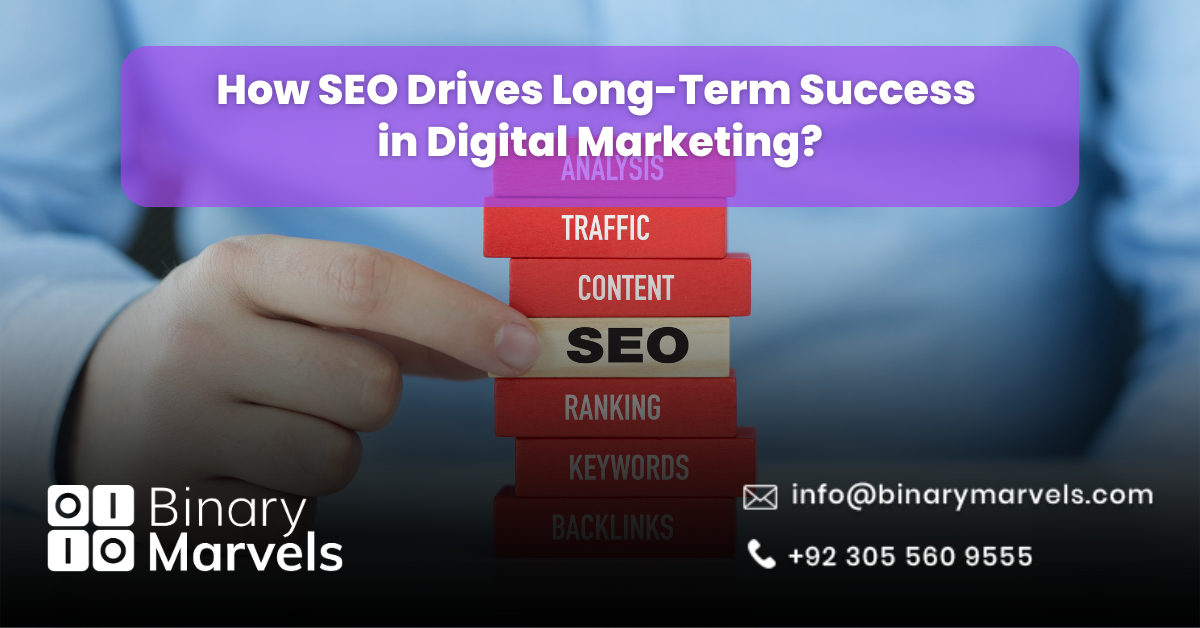
Many businesses invest heavily in ads, social media, and short-term campaigns, yet struggle to maintain consistent growth once budgets slow down or trends change. This is where search engine optimization plays a critical role in shaping long-term digital success.
SEO focuses on building sustainable online visibility by aligning a website with how users search and how search engines evaluate relevance, quality, and trust. Unlike short-lived tactics, SEO strengthens a brand’s digital foundation, allowing it to attract qualified traffic continuously without relying on constant ad spend. Businesses that prioritize structured optimization benefit from steady growth rather than unpredictable spikes.
A strategic SEO approach also supports every other digital marketing channel. From improving content discoverability to enhancing website performance and user experience, SEO creates a framework where marketing efforts compound over time. Companies that work with experienced teams such as Binary Marvels often focus on this long-term mindset, helping brands build visibility that remains strong even as algorithms and market conditions evolve.
SEO as the Foundation of Digital Marketing
Search engine optimization acts as the backbone of a successful digital marketing strategy. While channels like paid advertising and social media can generate quick visibility, they depend heavily on ongoing budgets and platform algorithms. SEO, on the other hand, focuses on building a strong and reliable presence that supports long-term growth across all marketing efforts.
When a website is properly optimized, it becomes easier for search engines like Google to understand its purpose, relevance, and value to users. This clarity helps content rank more consistently, allowing brands to attract users who are actively searching for their products or services. As a result, traffic generated through SEO tends to be more targeted and more likely to convert.
SEO also strengthens the performance of other digital marketing channels. Well-optimized content improves visibility in search results, enhances user experience, and supports content sharing across platforms. Over time, this integrated approach builds authority, trust, and stability, making SEO a foundational element rather than just another marketing tactic.
Also Read: 10 Questions to Ask Before Hiring a Digital Marketing Agency
How Search Engines Influence Long-Term Visibility?
Search engines play a central role in determining which websites gain long-term visibility online. Their primary goal is to deliver the most relevant, reliable, and useful results to users. To achieve this, platforms like Google evaluate websites based on multiple factors, including content quality, technical performance, and user experience.
Websites that consistently meet these criteria are rewarded with stable rankings over time. This means that long-term success is not achieved through quick fixes or one-time optimizations, but through continuous improvements that align with how search engines assess value. As algorithms evolve, websites with strong foundations are more likely to maintain their visibility while others experience fluctuations.
SEO helps businesses adapt to these changes by focusing on relevance, authority, and usability. By understanding how search engines interpret content and user behavior, brands can build a digital presence that remains competitive for years. This strategic alignment ensures that visibility grows steadily rather than being dependent on short-term marketing tactics.
Building Sustainable Organic Traffic with SEO
One of the strongest advantages of SEO is its ability to generate sustainable organic traffic over time. Unlike paid campaigns that stop delivering results once the budget runs out, organic traffic continues to grow as long as a website remains relevant and well-optimized. This makes SEO a reliable channel for long-term digital marketing success.
Organic traffic is driven by user intent. People searching through search engines are actively looking for information, products, or services, which means the visitors arriving through SEO are often more qualified than those from interruption-based marketing. When a website ranks for the right search terms, it attracts users who are more likely to engage, convert, and return.
Another key benefit is the compounding effect of SEO efforts. Each piece of optimized content, internal link, and technical improvement builds on previous work. Over time, this creates a steady flow of traffic that becomes less vulnerable to market changes, seasonal fluctuations, or advertising cost increases, supporting consistent and predictable growth.
SEO and Brand Authority Development
Long-term digital success is closely tied to how trustworthy and authoritative a brand appears online. SEO plays a major role in building this authority by helping websites earn consistent visibility for relevant search topics. When users repeatedly see a brand ranking on search results, it naturally strengthens credibility and recognition.
Search engines evaluate authority through multiple signals, including content depth, topical relevance, and external references. High-quality content that addresses user needs in detail positions a brand as a reliable source of information. Over time, this leads to stronger rankings and increased trust from both users and search engines.
As brand authority grows, marketing efforts become more effective across all channels. Users are more likely to engage with content, click through pages, and convert when they trust the brand behind the message. This trust, built gradually through SEO, supports long-term stability and reduces reliance on aggressive short-term marketing tactics.
User Experience and Conversion Growth Through SEO
SEO is not only about rankings but also about how users interact with a website once they arrive. Search engines prioritize websites that provide a smooth, fast, and user-friendly experience because these factors directly impact user satisfaction. A well-optimized site makes it easier for visitors to find information, navigate pages, and take action.
Elements such as page speed, mobile responsiveness, and clear site structure play a critical role in user experience. When these elements are optimized, visitors are more likely to stay longer, explore multiple pages, and complete desired actions such as filling out a form or making a purchase. This improves conversion rates without increasing marketing spend.
Over time, better user experience creates positive engagement signals that further support SEO performance. As search engines recognize that users are finding value in the website, rankings become more stable. This cycle of improved experience and higher conversions makes SEO a powerful driver of long-term digital growth.
Also Read: How to Choose Between In-House vs Agency Digital Marketing?
Role of Technical SEO in Long-Term Performance
Technical SEO ensures that a website can be properly accessed, understood, and indexed by search engines. Without a solid technical foundation, even high-quality content may struggle to achieve long-term visibility. This makes technical optimization a critical part of sustainable digital marketing success.
Key technical elements include site speed, mobile optimization, secure connections, and clean website architecture. When these factors are properly implemented, search engines can crawl pages efficiently and users can access content without friction. A technically sound website is also more resilient to algorithm updates and platform changes.
Ongoing technical SEO helps prevent performance issues that can slowly impact rankings over time. Regular audits, fixes, and improvements ensure that the website remains competitive, scalable, and aligned with evolving search standards, supporting consistent growth rather than short-term gains.
Content Strategy That Supports Long-Term Rankings
A strong content strategy is essential for maintaining long-term search visibility. SEO driven content focuses on addressing real user needs rather than chasing short-lived trends. By creating content based on search intent, businesses can attract users who are actively looking for solutions, information, or services related to their offerings.
Content that performs well over time is regularly updated, expanded, and aligned with changing user behavior. Search engines favor websites that keep their content relevant and accurate, which helps maintain rankings and authority. Internal linking also plays a key role by guiding users to related pages and helping search engines understand content relationships.
When content strategy is aligned with professional seo services, it becomes easier to scale growth while maintaining quality and consistency. This structured approach ensures that each piece of content contributes to long-term visibility, stronger engagement, and sustained digital marketing success.
SEO vs Short-Term Digital Marketing Tactics
Short-term digital marketing tactics such as paid advertising and promotional campaigns can deliver immediate visibility, but their impact often fades once the campaign ends. These approaches rely heavily on continuous spending and may not contribute to lasting brand growth. While they can be useful for quick wins, they rarely provide stability on their own.
SEO takes a different approach by focusing on long-term value. Instead of paying for every click or impression, SEO builds organic visibility that continues to generate traffic over time. As rankings improve and authority grows, the cost per acquisition typically decreases, making SEO a more sustainable and cost-effective strategy in the long run.
Another key difference is resilience. Short-term tactics are sensitive to budget changes and platform policies, whereas SEO creates a digital asset that supports consistent growth. By investing in optimization, content, and user experience, businesses can reduce dependency on temporary marketing efforts and establish a stronger foundation for long-term success.
Also Read: Influencer Marketing in 2026: Worth the Investment
Choosing the Right Digital Marketing Partner
Long-term SEO success depends not only on strategy but also on execution. Search engine optimization requires consistent planning, technical expertise, content alignment, and performance tracking. Without the right guidance, businesses may see slow progress or inconsistent results despite ongoing effort.
Working with an experienced digital marketing agency helps ensure that SEO efforts are aligned with business goals and market conditions. A professional team uses data driven insights to refine strategies, adapt to algorithm changes, and focus on activities that deliver sustainable growth rather than short-term spikes.
The right partner treats SEO as a long-term investment, not a one-time task. Through continuous optimization, reporting, and improvement, businesses can build a strong digital presence that supports visibility, lead generation, and growth well into the future.
Supercharge Your Business with Digital Marketing Today!
As a trusted Digital Marketing Agency in Rawalpindi, we deliver result-driven digital marketing services designed to boost your online presence, generate leads, and grow your business.
Don’t wait, connect with us now and take your brand to the next level!
Conclusion
SEO is not a short-term tactic but a long-term strategy that strengthens every part of digital marketing. By focusing on sustainable visibility, user experience, and technical stability, SEO helps businesses build a strong online presence that continues to deliver value over time. Unlike temporary campaigns, the results of consistent optimization compound, creating lasting growth.
As search behavior and algorithms continue to evolve, businesses that invest in SEO are better prepared to adapt and stay competitive. A well-executed SEO strategy supports traffic growth, brand authority, and conversions without relying on constant ad spend. This makes SEO a dependable foundation for long-term digital success.
When approached with the right strategy, tools, and expertise, SEO becomes a digital asset rather than an expense. It enables businesses to grow steadily, earn trust, and achieve measurable results that align with long-term marketing and business goals.
FAQs
How long does SEO take to deliver long-term results?
SEO is a gradual process. Most businesses begin to see noticeable improvements within three to six months, while long-term and stable results typically develop over six to twelve months with consistent optimization and content efforts.
Is SEO still effective for long-term digital marketing success?
Yes, SEO remains one of the most effective long-term digital marketing strategies. As long as people use search engines to find information, products, and services, SEO will continue to play a vital role in sustainable online growth.
Can SEO work alongside paid advertising and social media?
SEO works best when combined with other digital marketing channels. While paid ads and social media provide short-term visibility, SEO supports long-term traffic, brand authority, and lower acquisition costs over time.
Why is SEO considered a long-term investment rather than a quick fix?
SEO focuses on building trust, relevance, and technical stability, which takes time. Unlike instant campaigns, its benefits grow gradually and continue to deliver results even when active promotion is reduced.